
The United Arab Emirates, through the visionary leadership of the General Civil Aviation Authority (GCAA), is set to become the first country in the world to authorize and launch commercial operations of electric Vertical Take-Off and Landing (eVTOL) aircraft.
As part of this pioneering achievement:
- Two leading eVTOL manufacturers—Joby Aviation and Archer Aviation—have already initiated flight test campaigns within the UAE, in close collaboration with the GCAA to ensure regulatory compliance and airspace integration.
- By early 2026, both companies are expected to begin full commercial air taxi operations, marking a new chapter in Advanced Air Mobility (AAM) services.
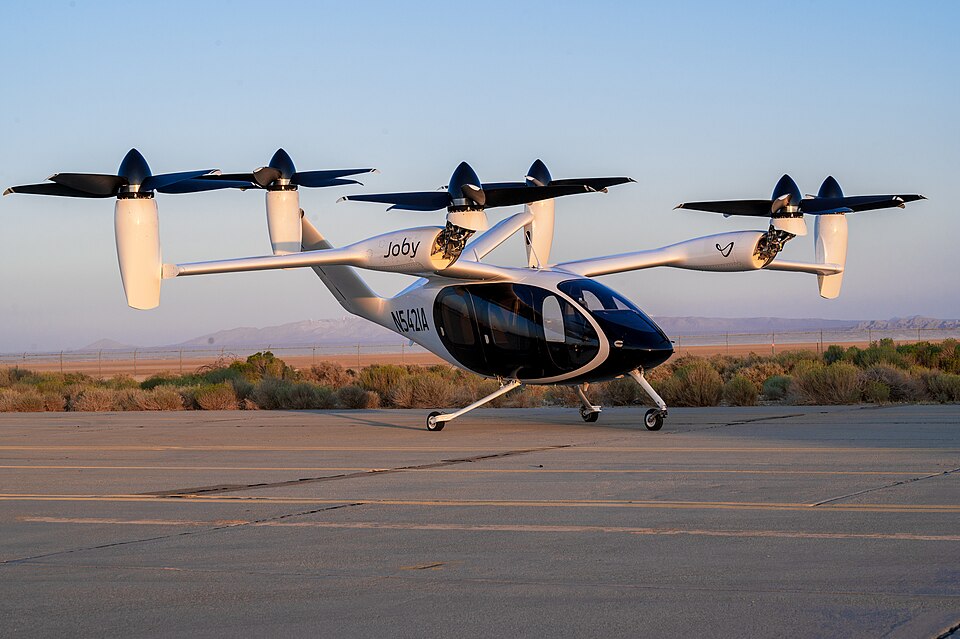
- Joby Aviation will be operating in Dubai, under the sponsorship of the Dubai Roads and Transport Authority (RTA).
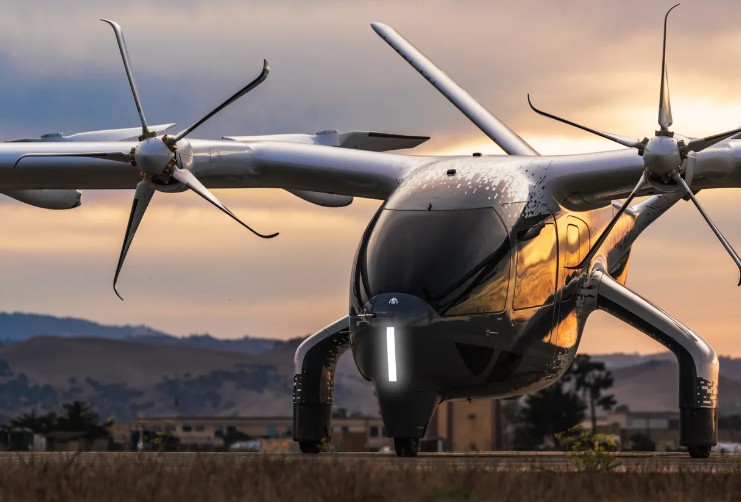
- Archer Aviation will launch its services in Abu Dhabi, with strategic support from the Abu Dhabi Investment Office (ADIO).
The eVTOL aircraft involved are designed for quiet, zero-emission urban air mobility, capable of taking off and landing vertically like helicopters while cruising efficiently like fixed-wing aircraft.
- Joby’s eVTOL features a range of over 150 km, a top speed of 320 km/h, and is engineered for pilot plus four passengers, with extremely low noise profiles (as low as 45 dBA at cruise altitude).
- Archer’s “Midnight” eVTOL is optimized for rapid, back-to-back short hops of around 32 km, with a cruising speed of 240 km/h, carrying four passengers and a pilot, and targeting 10-minute turnaround times between flights.
This strategic move by the UAE not only showcases its global leadership in innovation and sustainable mobility, but also signals the country’s readiness to integrate next-generation aircraft into urban transportation networks, unlocking economic, environmental, and logistical benefits.
The GCAA continues to work closely with ICAO, air navigation service providers, urban planners, and key stakeholders to build a safe and scalable regulatory framework that supports future mobility while maintaining the highest levels of aviation safety and public trust.